
Knowledge & advice
Coat, polish and protect your car yourself, step by step.

Applying ceramic coating yourself is achievable, but it demands preparation, patience and the right conditions. This guide takes you through the process step by step, from the initial wash to full cure.
Read the guide →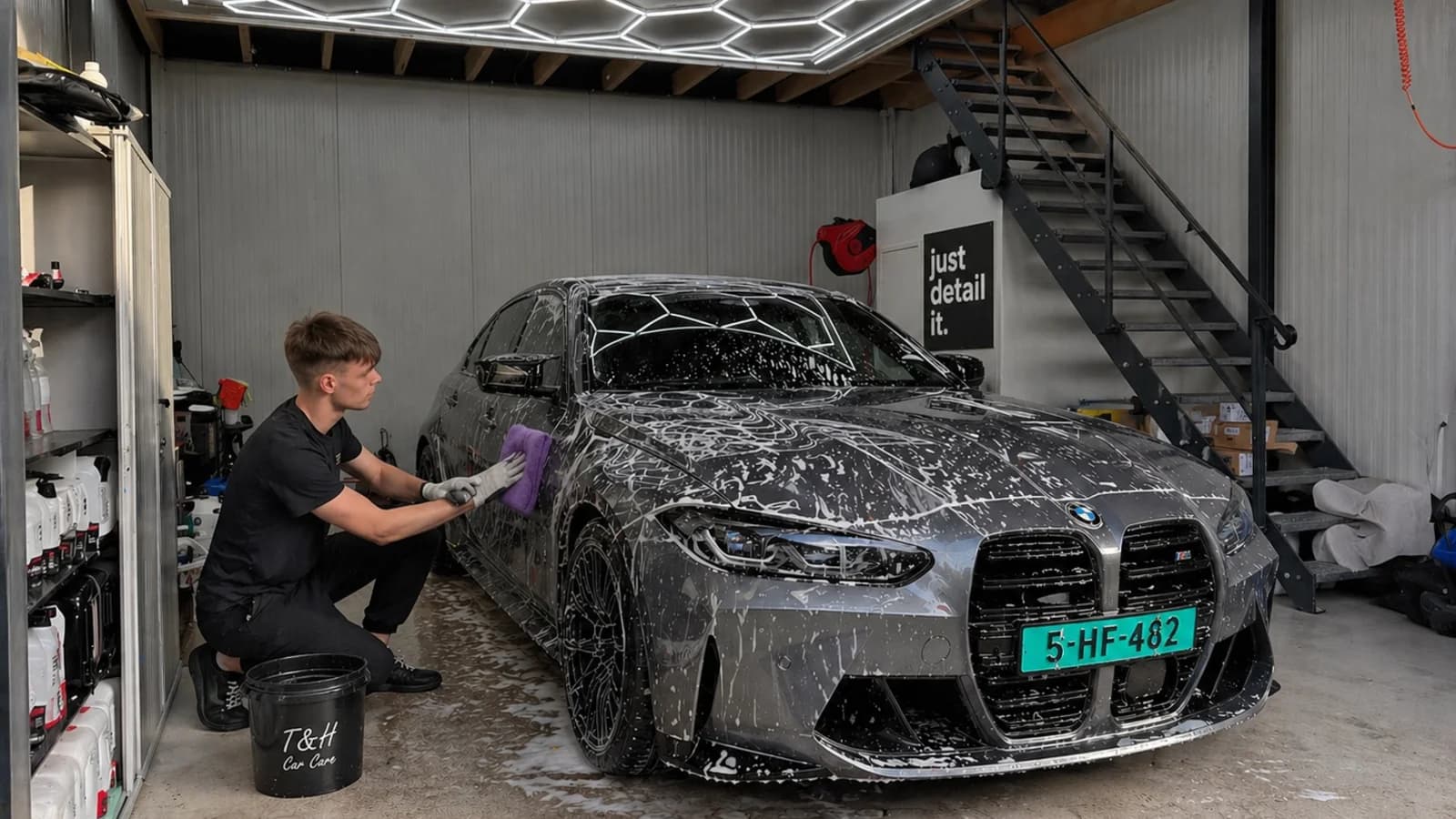
Washing your car by hand without scratches or swirls. This guide explains the safe two-bucket method step by step, with the right tools and the mistakes to avoid.
Read the guide →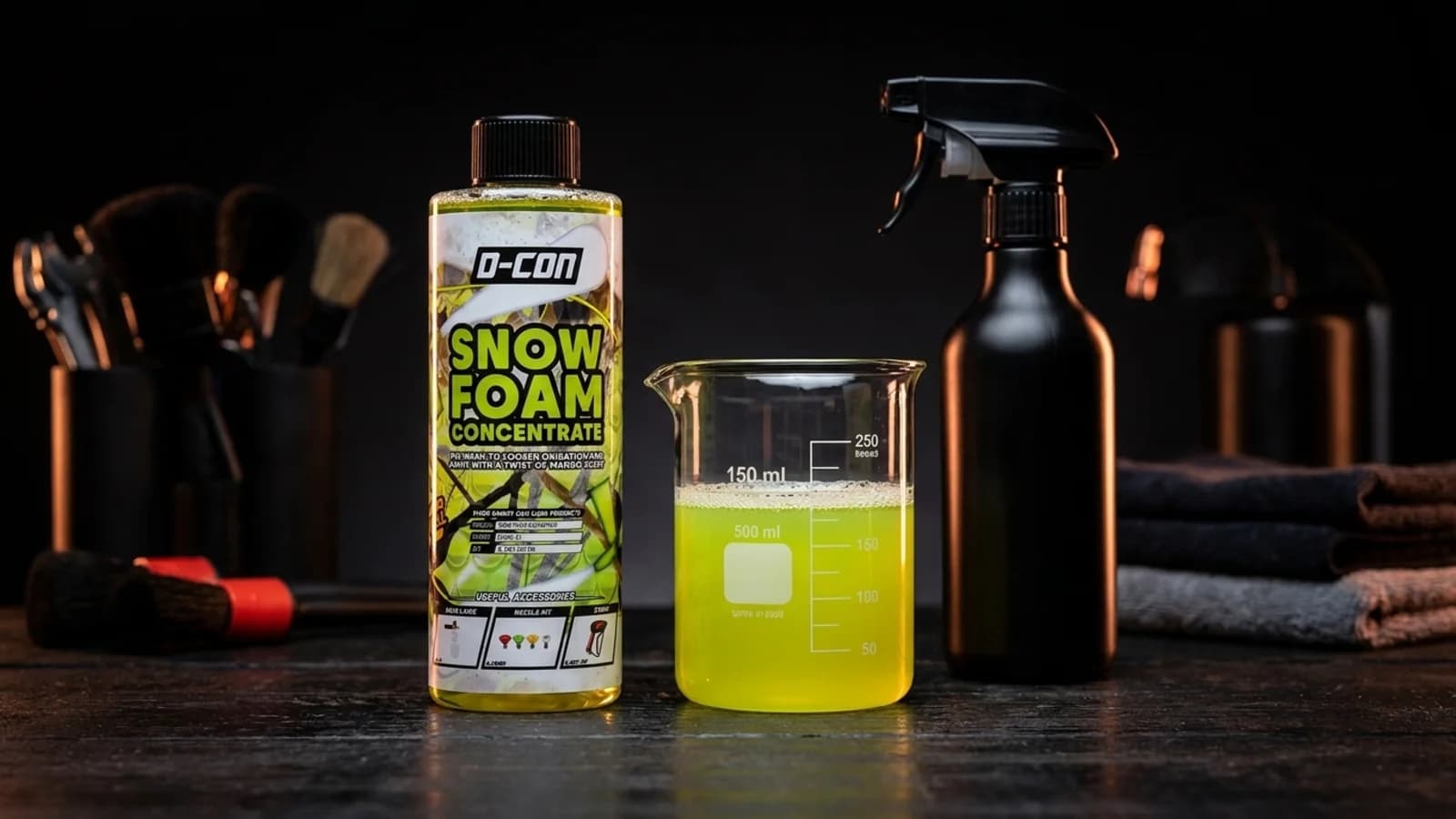
Confused by 1:10 or 1:4? Learn how to actually dilute detailing products, with the right formula, the mistake almost everyone makes, and why it differs per brand.
Read the guide →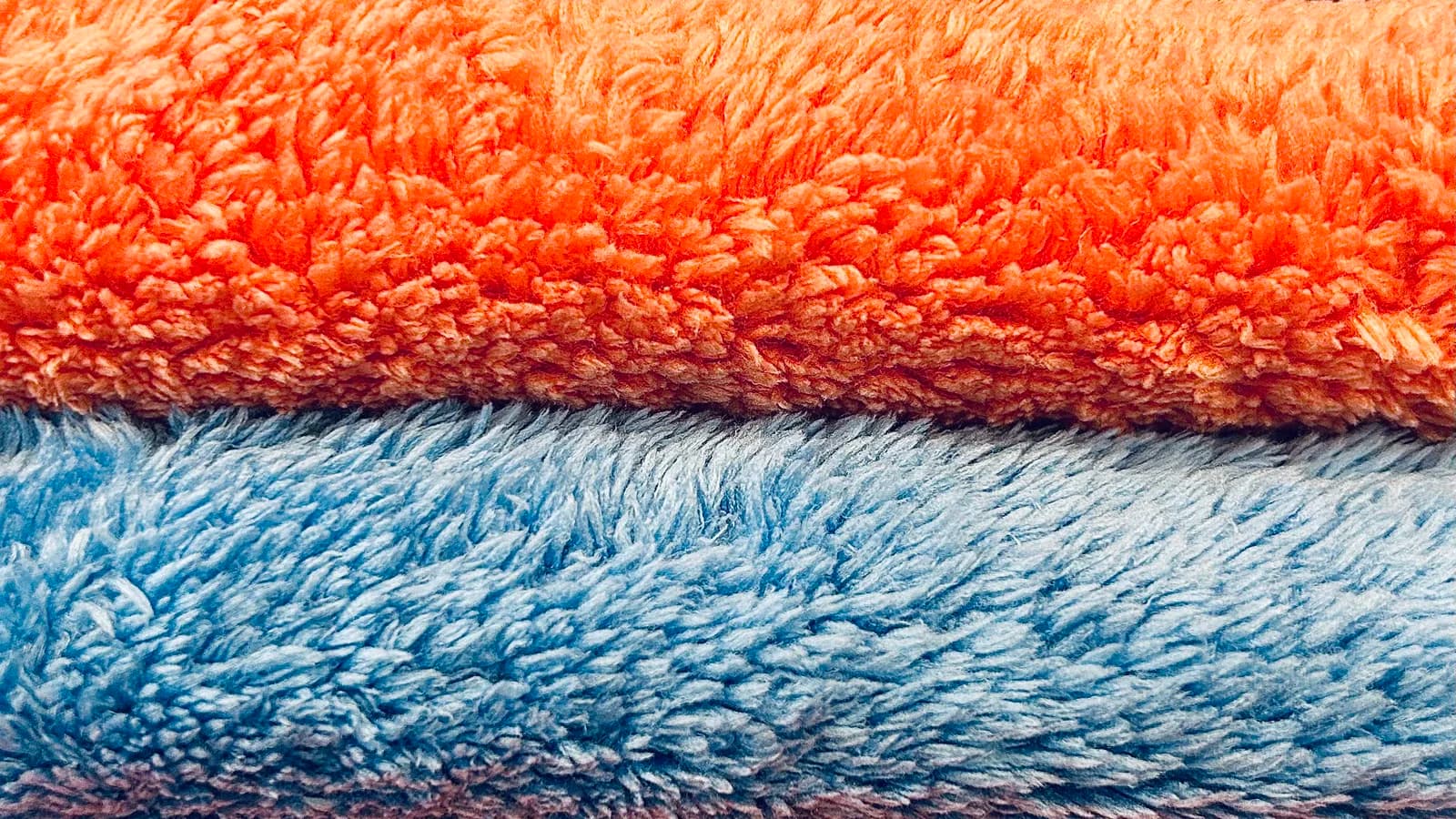
Sorting microfibre cloths by colour and weight keeps wheel grit off your paint. This guide explains the colour system, what GSM means per job, and how to keep your cloths in good shape.
Read the guide →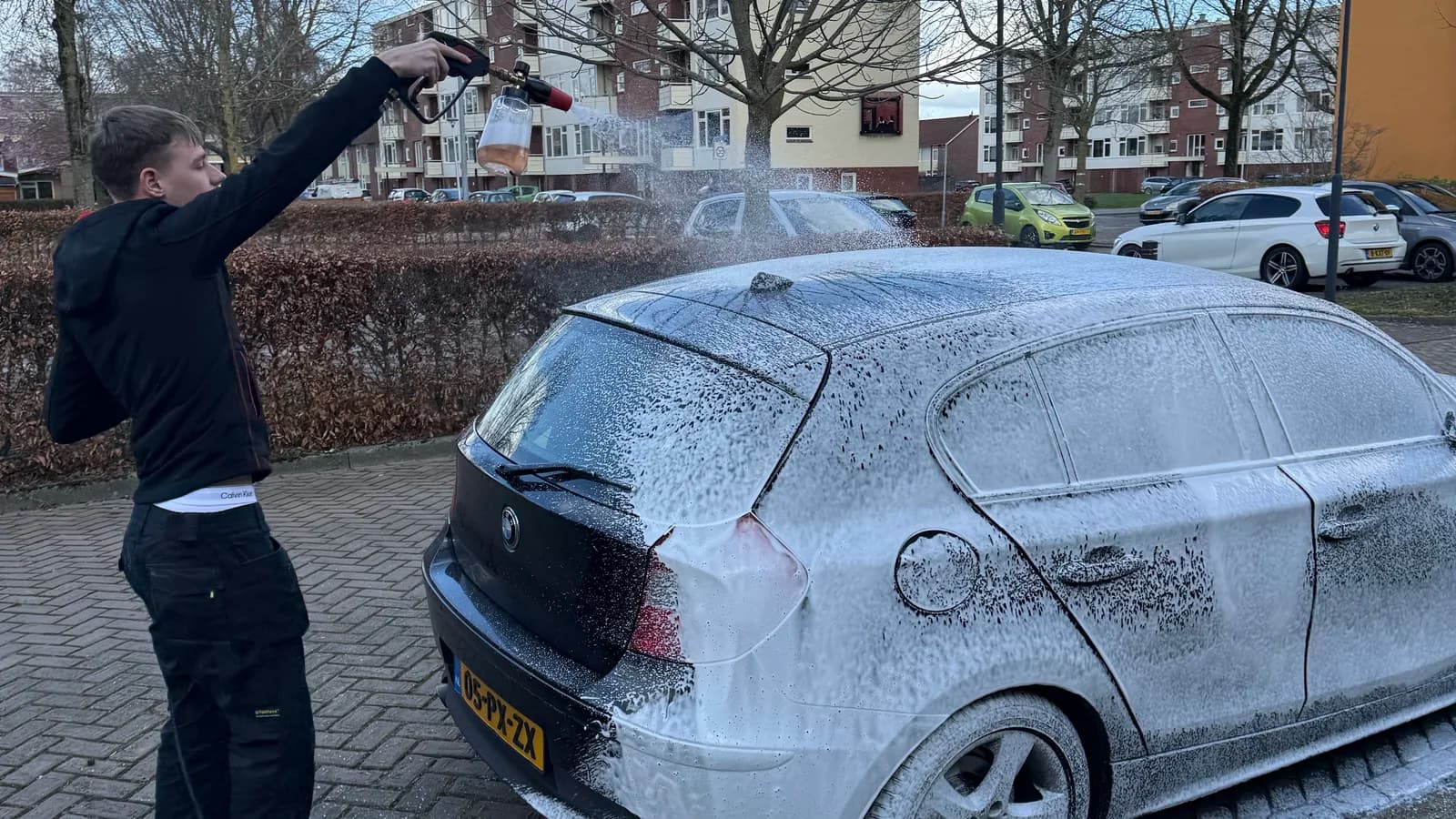
Snow foam is a touch-free pre-wash that loosens the worst of the dirt before you touch the car, so you scratch less. This guide explains why pre-washing works and how to apply snow foam step by step.
Read the guide →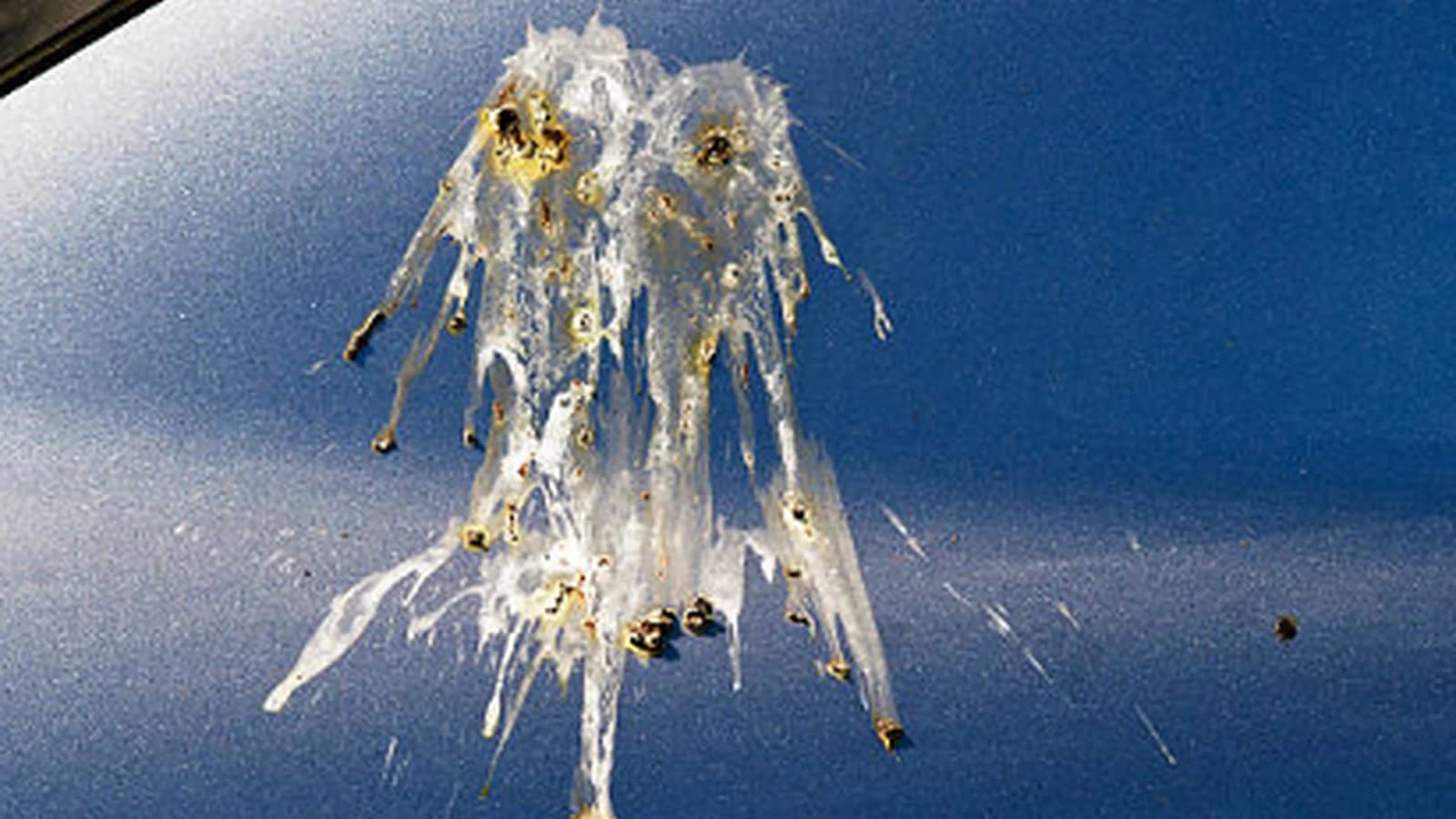
Bird droppings are acidic and tree sap is a sticky resin, and both attack your paint the longer and warmer they sit. This guide shows how to remove them quickly and without scratches, and how to prevent etch marks.
Read the guide →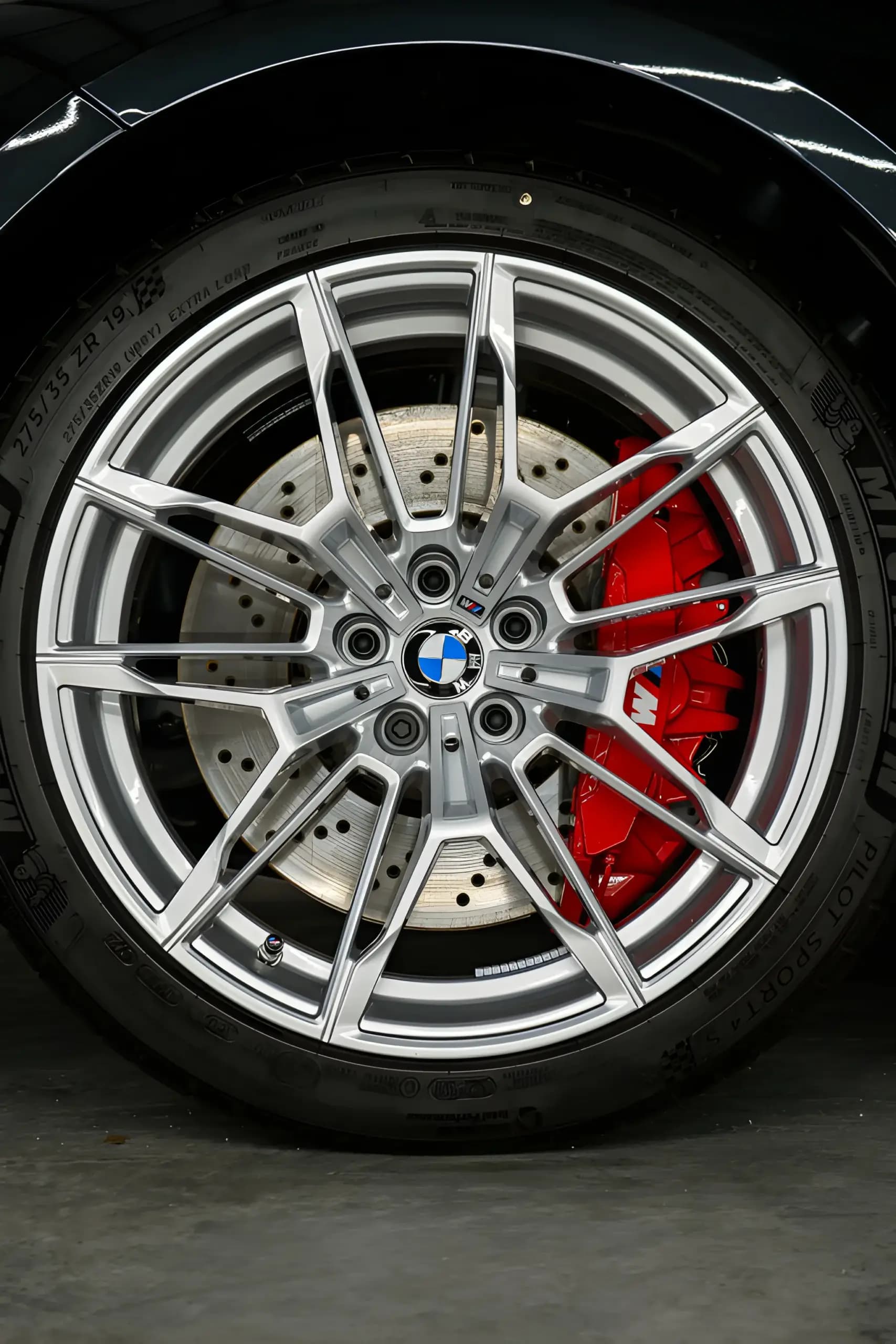
Which wheel cleaner is safe, and how do you remove brake dust and fallout without harming your wheels? Acidic versus acid-free, plus the right method.
Read the guide →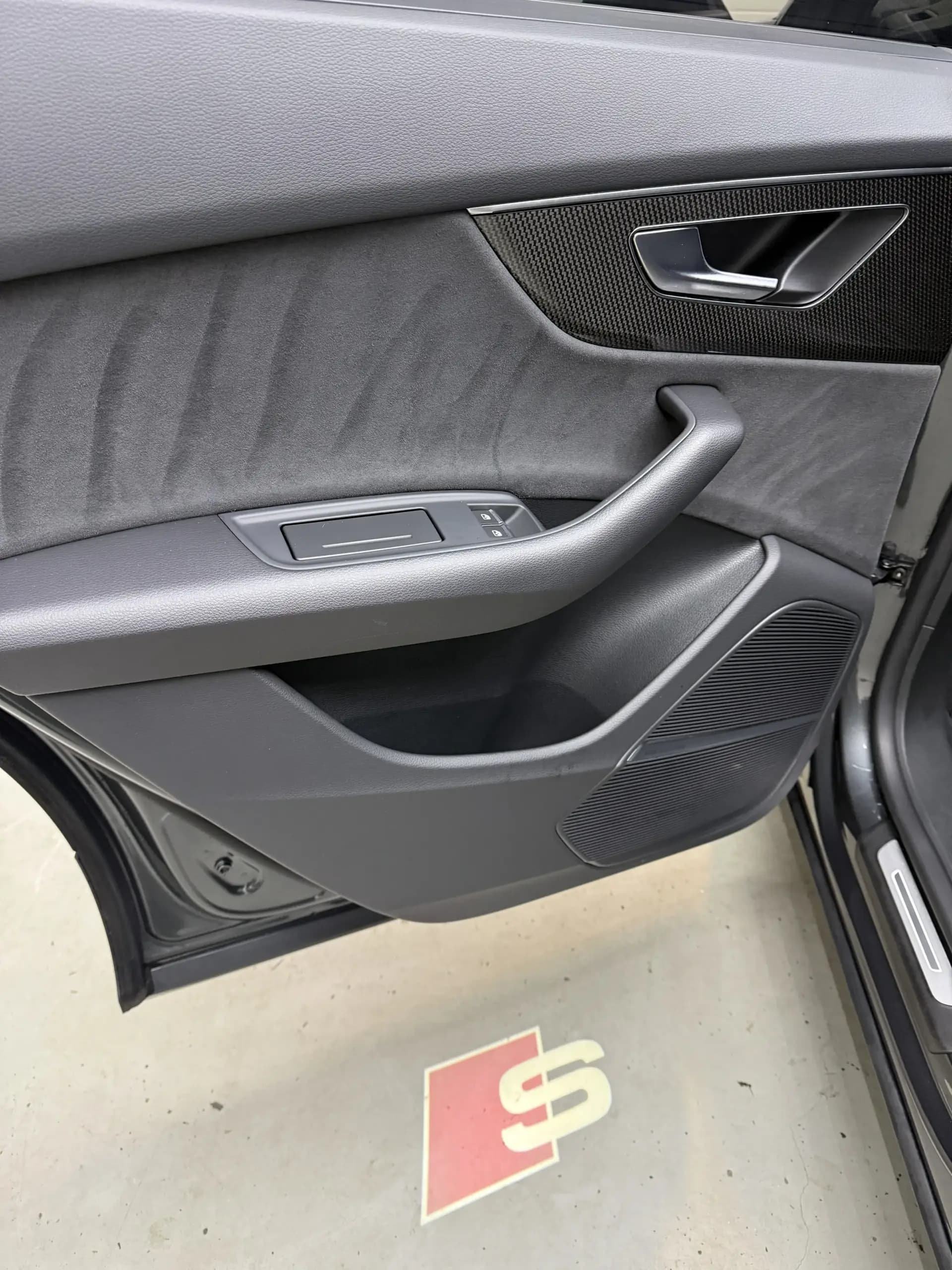
Which cleaner for leather, plastic, screens and upholstery? How to clean your interior safely, without a greasy shine or damaged materials.
Read the guide →
Streak-free car glass depends on three things: the right glass cleaner, clean cloths and the two-towel method. How to safely do the inside and outside.
Read the guide →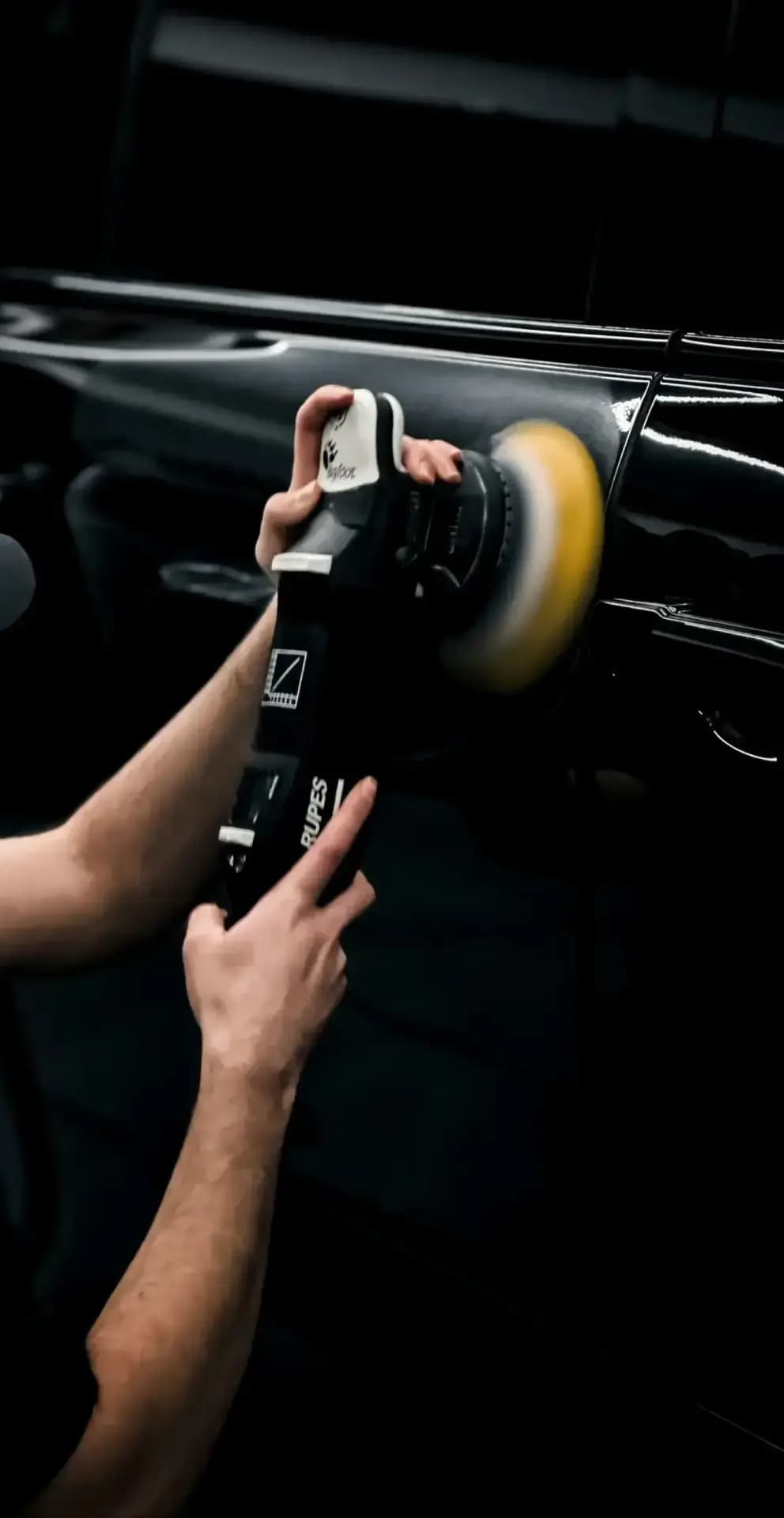
Polishing removes swirls and light scratches by levelling a wafer-thin layer of paint. Start least aggressive, make a test spot and work in sections.
Read the guide →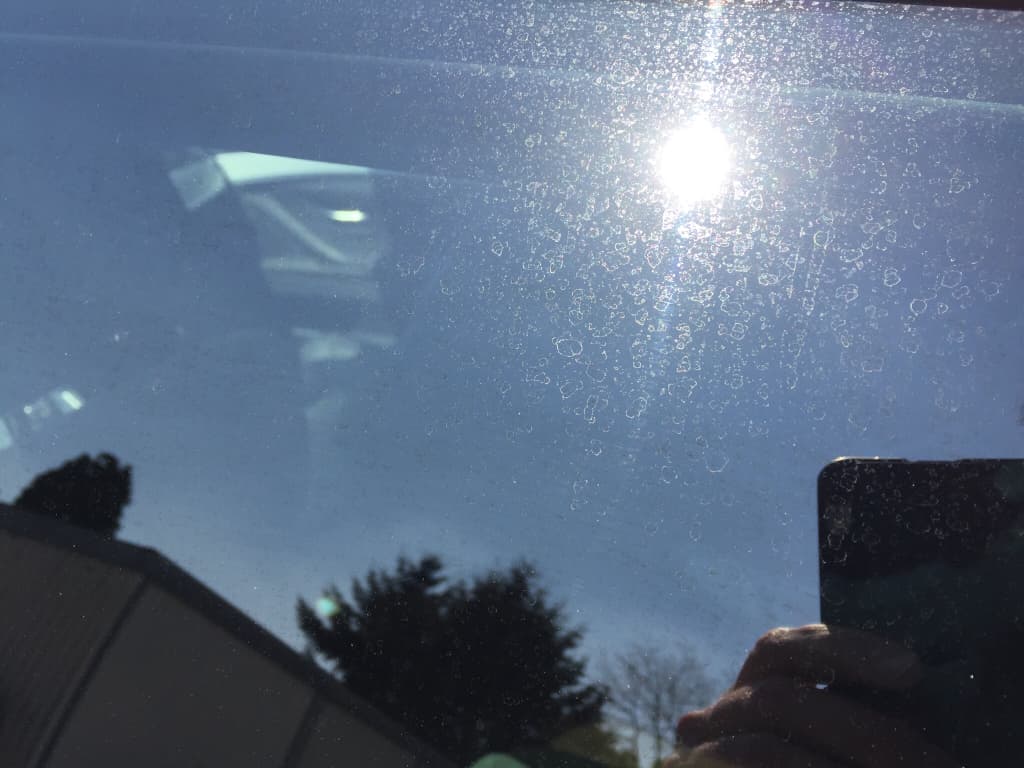
White rings on paint and glass are dried minerals from hard water. How to safely dissolve them with a limescale remover or clay, and how to prevent them.
Read the guide →
Most swirls form during drying. Blot or drag with a plush drying towel, work from top to bottom and use a drying aid to reduce friction.
Read the guide →Wax gives a warm gloss and lasts a few months, a sealant protects slick and smooth for up to a year, and a ceramic coating is the hardest layer that lasts years. How to choose the right protection for your car.
Read the guide →Choose a pH-neutral, coating-safe shampoo for the weekly wash, a ceramic-effect or wax shampoo to add gloss and protection, and a strong shampoo only for heavily soiled or uncoated cars.
Read the guide →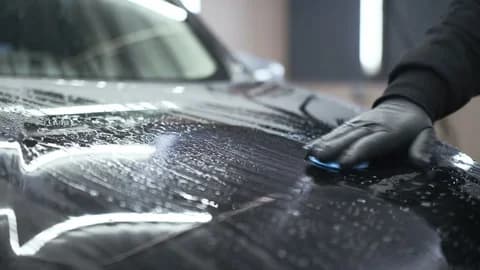
You remove tar with a solvent-based tar remover and insects with an alkaline insect remover. Let the product dwell, wipe off gently without rubbing dry, and restore your protection afterwards.
Read the guide →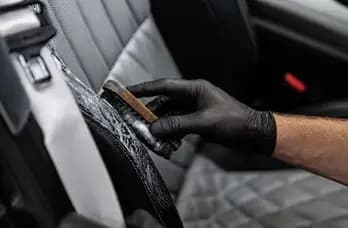
Everything about maintaining car leather: cleaning, feeding, restoring stiff leather and repairing cracks. Discover which product fits which job.
Read the guide →Everything about flying rust and fallout: what it is, how iron removers work, which remover to choose and the step plan to get your paint and wheels smooth again.
Read the guide →
Everything about the all-purpose cleaner (APC): what it is, alkaline versus neutral, diluting to the job and which APC to choose. With a comparison table and dilution explainer.
Read the guide →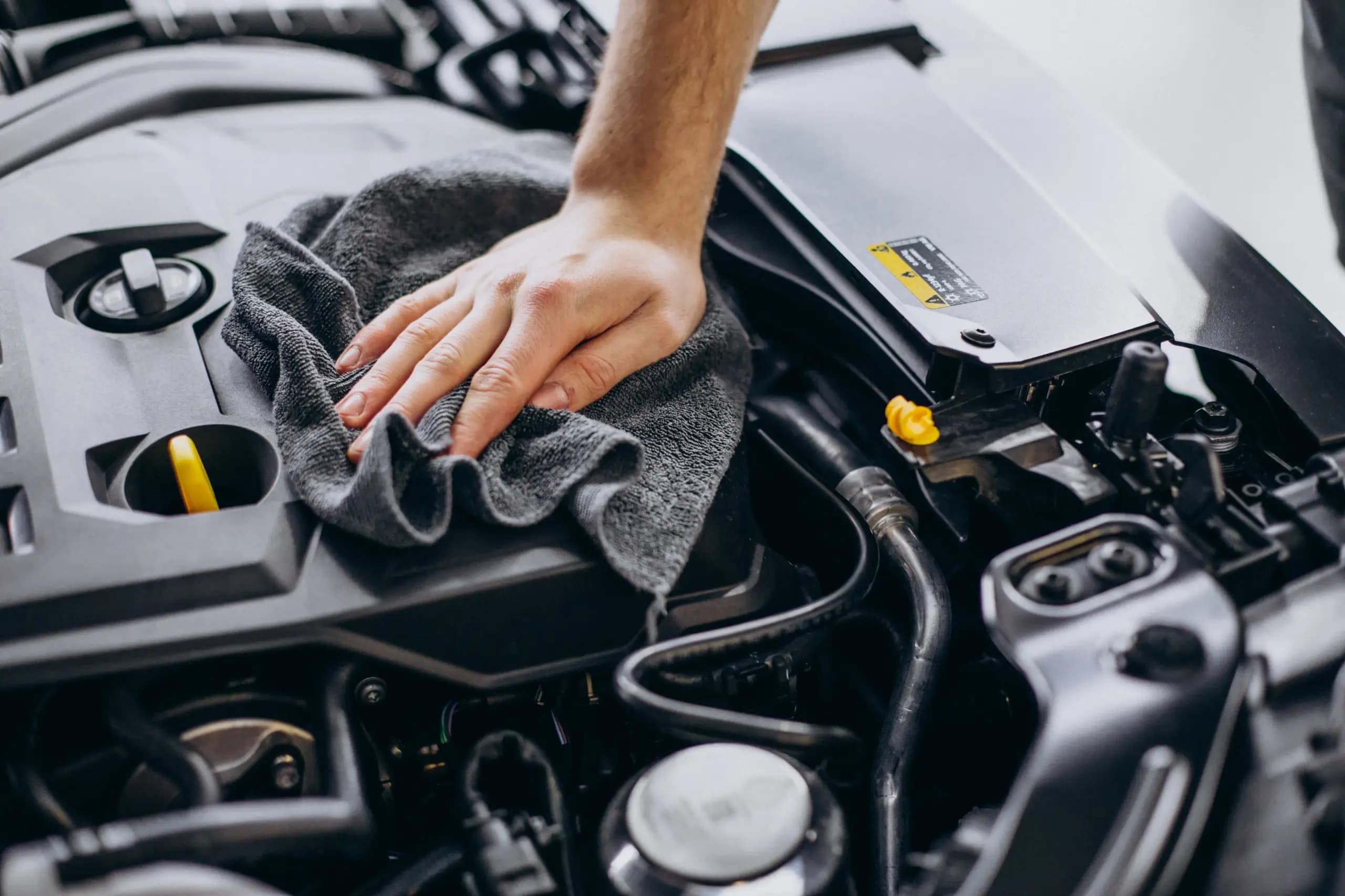
The complete guide to rust prevention and conservation: why cars rust, the right sequence from de-rusting to conserving, and which Bilt Hamber product to choose per job. With a Dynax comparison table.
Read the guide →Get the most out of a specific product.
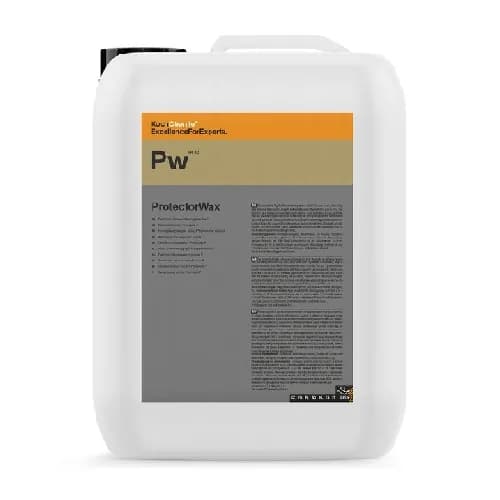
How to apply Koch Chemie PW Protector Wax: neat or diluted, by hand or through a foam gun, plus the right dosage and tips for tight water beading.
Read the guide →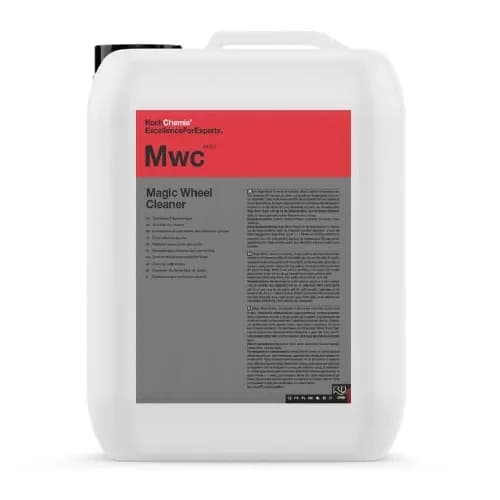
How to clean your wheels with Koch Chemie MWC: spray on acid-free and ready to use, let the colour indicator react, then rinse off safely.
Read the guide →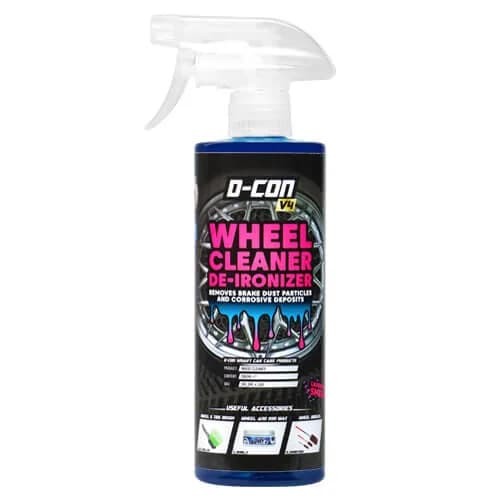
How to remove fallout from wheels and paint with D-CON V4: spray on, let it react until the colour changes and rinse thoroughly. Ready to use and acid-free.
Read the guide →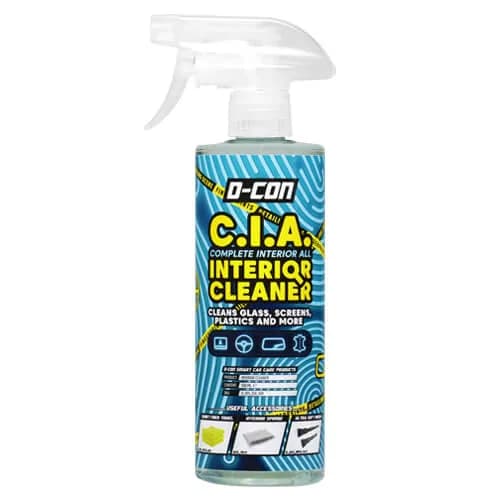
One cleaner for your whole interior: how to use D-CON C.I.A. on dashboard, leather, plastic and screens, with a matte finish and no greasy film.
Read the guide →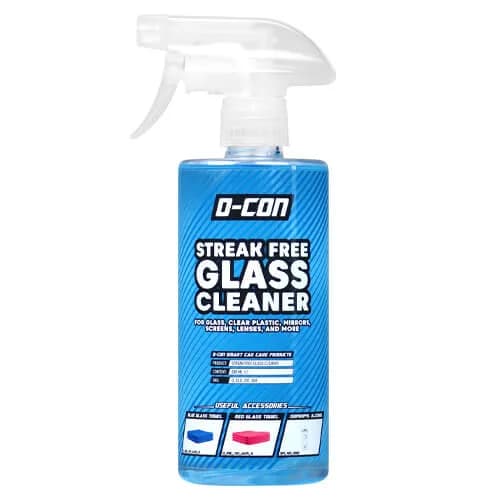
Streak-free car glass in four steps. How to use D-CON Streak Free, when to dilute and how the two-towel method prevents streaks.
Read the guide →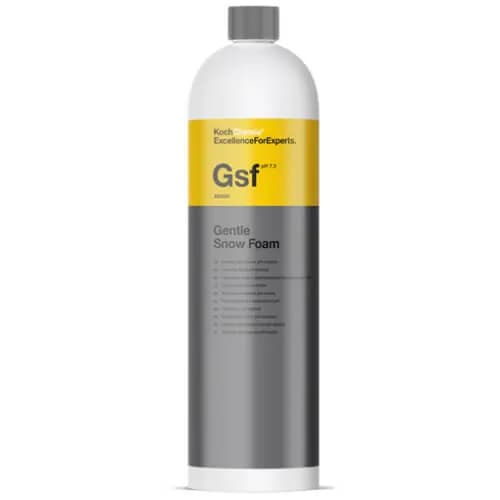
A pH-neutral pre-wash that is safe on coating, wax and PPF. How to dose GSF for the foam cannon or as a contact shampoo, and how long to let it dwell.
Read the guide →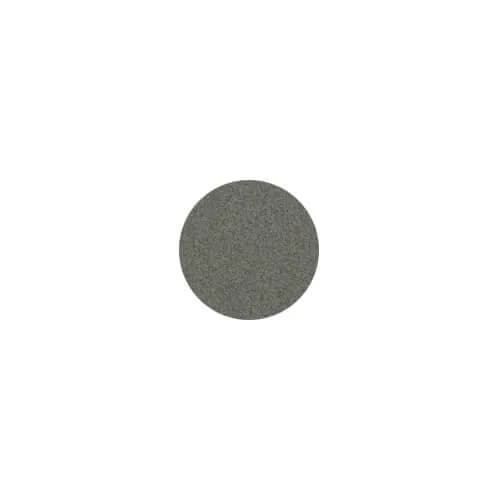
Grey for cutting, green for medium correction, yellow for gloss, white for the last holograms and the wax. How to pick the right Delta Pro pad per step on a dual-action machine.
Read the guide →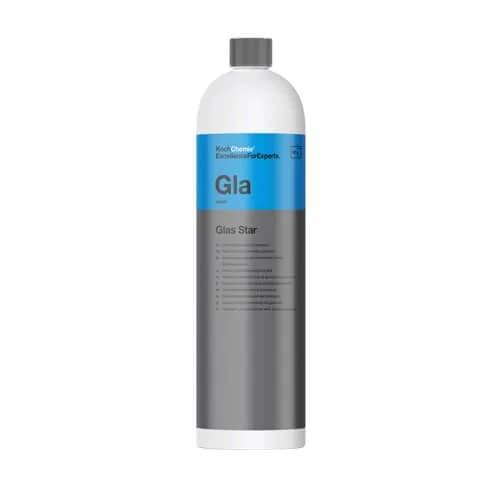
A concentrated, alcohol-based glass cleaner. Undiluted for heavy soiling or 1:3 with osmosis water for maintenance. How to work streak-free with the gloss additive.
Read the guide →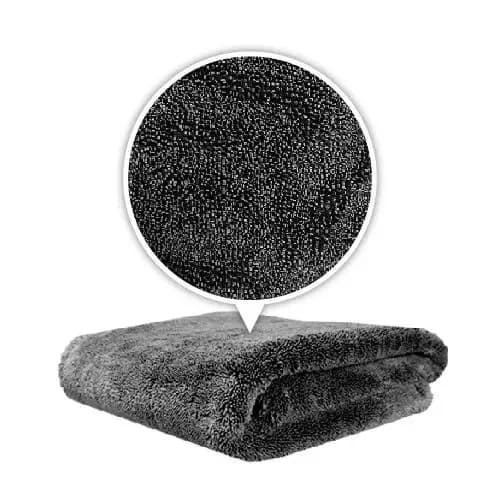
A 1800 gsm double-sided plush drying towel of 80x50 cm. High water absorption, safe on coating and PPF. How to dry a large car in fewer passes without streaks.
Read the guide →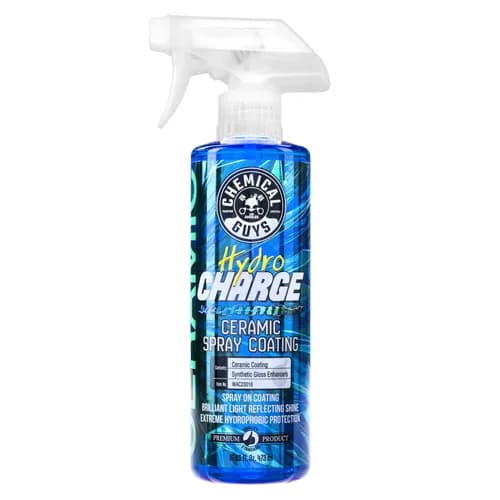
HydroCharge is a SiO2-based ceramic spray coating that you apply in a few minutes and that gives up to twelve months of protection and a deep, wet gloss. How to apply it, standalone or as a booster.
Read the guide →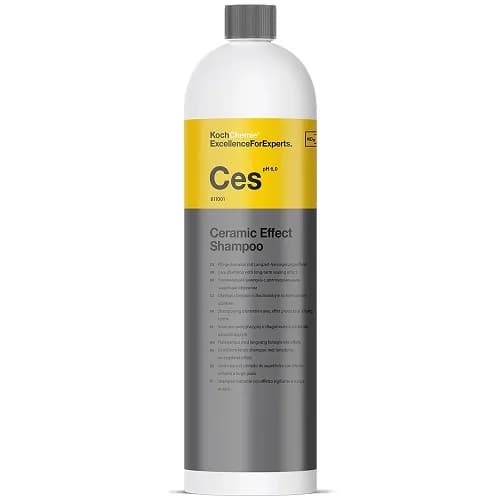
A pH-neutral shampoo with SiO2 that cleans and leaves gloss and beading at the same time. Dilute 1:200 (50 ml per 10 litres), wash with the two-bucket method and build up protection with every wash.
Read the guide →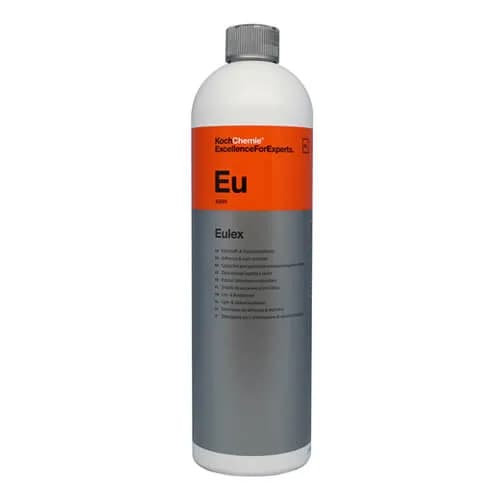
Eulex quickly dissolves tar, adhesive residue, tree sap and rubber marks and is safe on paint, glass and metal. Apply it undiluted to a dry towel, wipe the spot and repeat on stubborn residue.
Read the guide →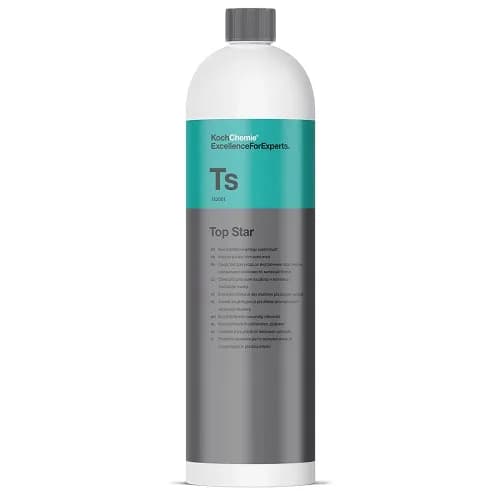
Top Star is a care emulsion for plastic and rubber in the interior. Spray onto an application sponge, apply evenly, let it dwell briefly and buff to a natural, satin-matt finish with UV protection.
Read the guide →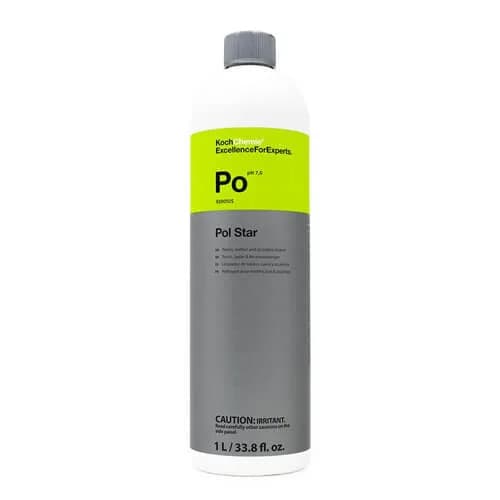
Pol Star is a pH-neutral interior cleaner that is safe on leather, alcantara, upholstery and carpet. Dilute 1:5 for heavy dirt to 1:20 for light, let it dwell and wipe the residue with a damp microfiber cloth.
Read the guide →
One-Step Polish does three things in one step: it removes swirls and light scratches, finishes to a high gloss and leaves a protective wax layer. Apply by machine with a DA or rotary polisher on a foam pad.
Read the guide →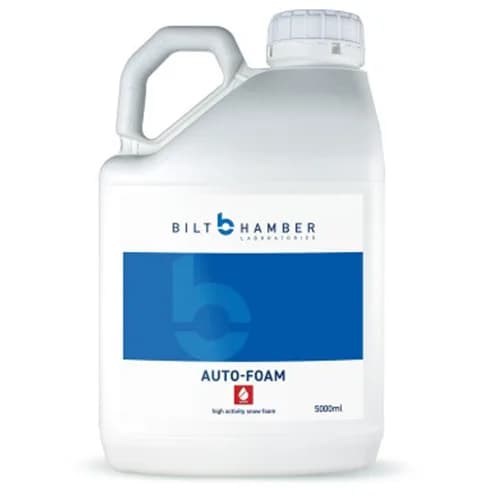
How to use Bilt Hamber Auto-Foam as a non-caustic pre-wash: dilute, apply and rinse for a scratch-free contact wash.
Read the guide →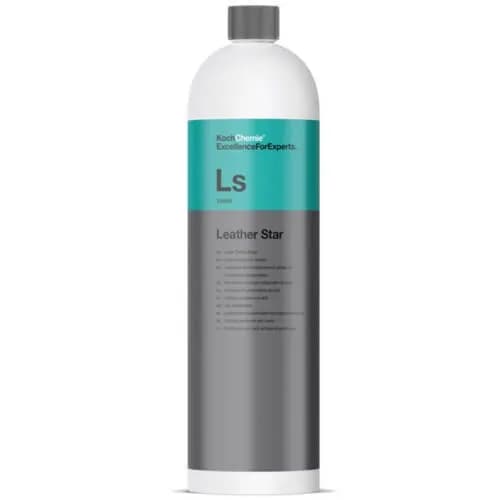
How to care for car leather with Koch Chemie LS Leather Star: clean first, apply evenly and let it dry for supple, protected leather.
Read the guide →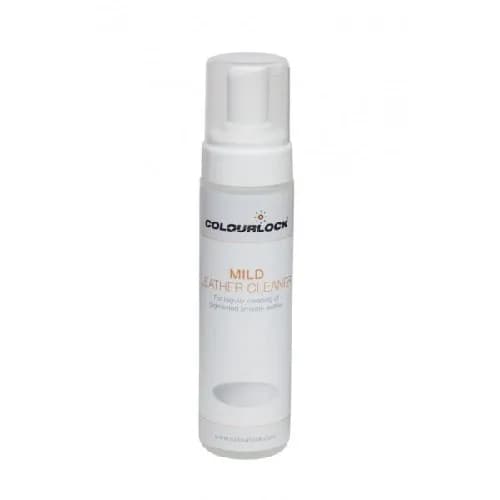
How to clean smooth car leather with Colourlock Mild Leather Cleaner: foam it onto a sponge or brush, clean seam to seam and wipe with a damp cloth.
Read the guide →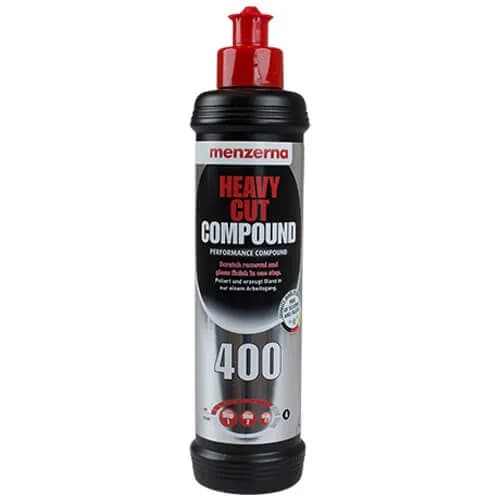
How to remove deep scratches and sanding marks with Menzerna Heavy Cut Compound 400: pad, machine, speed and the right technique for a crisp, glossy finish.
Read the guide →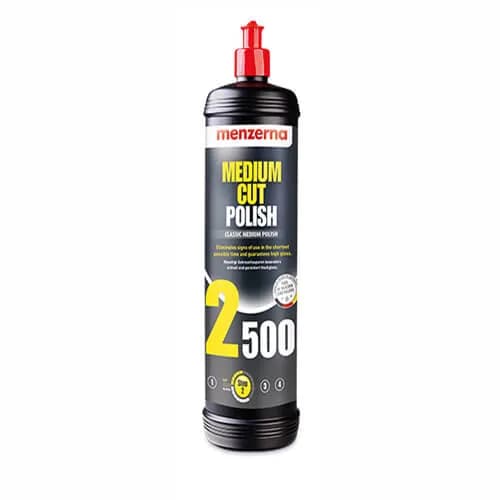
How to remove swirls and light scratches with Menzerna Medium Cut Polish 2500: pad, speed, technique and the finishing step for a hologram-free gloss.
Read the guide →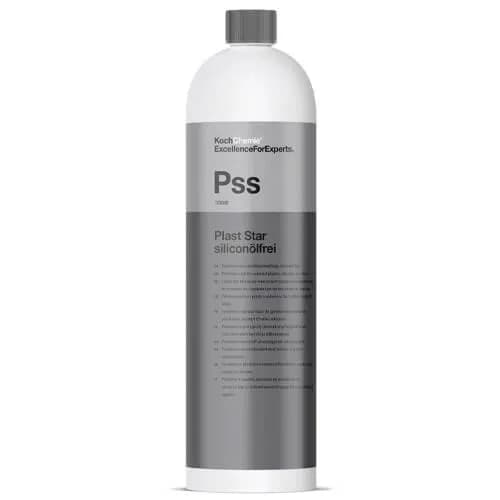
How to care for exterior plastic, rubber and tyres with Koch Chemie PSS Plast Star: silicone-free application for an even, matte factory look.
Read the guide →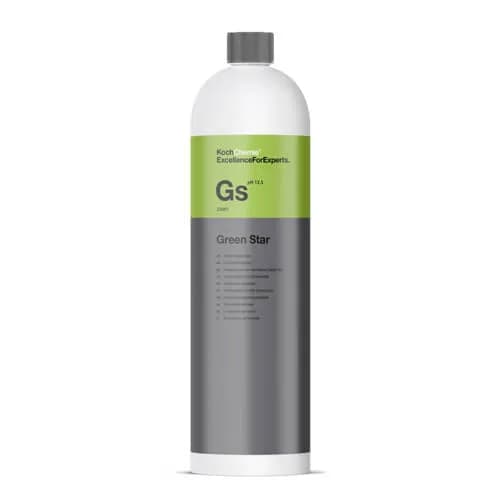
How to use Koch Chemie Green Star: a concentrated alkaline all-purpose cleaner you dilute per job, from exterior to interior.
Read the guide →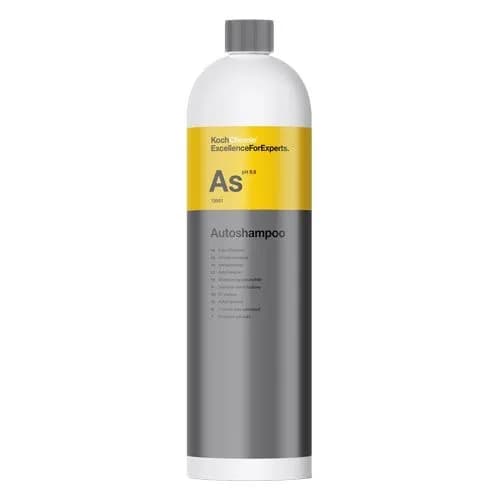
How to use Koch Chemie AS Car Shampoo: a phosphate-free shampoo that rinses clean, with the right dilution for the weekly hand wash.
Read the guide →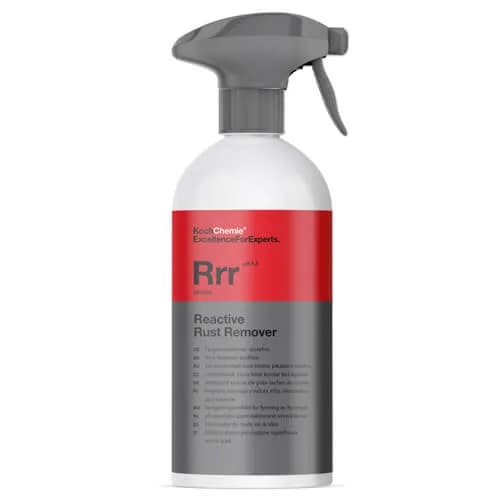
How to remove iron fallout and baked-on brake dust with Koch Chemie RRR: spray on acid-free, wait for the purple reaction and rinse thoroughly.
Read the guide →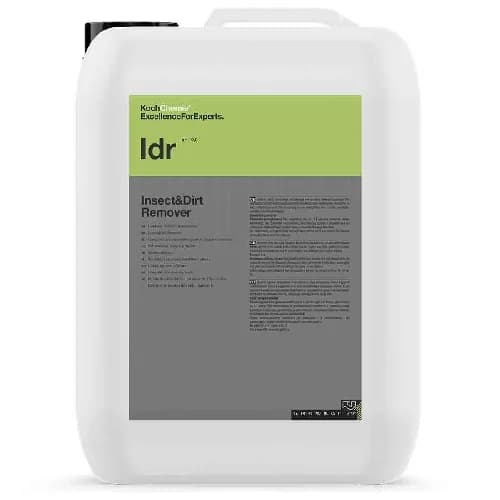
How to remove insect remains and road grime with Koch Chemie Insect & Dirt Remover: spray on neat, let it dwell briefly and rinse before you wash.
Read the guide →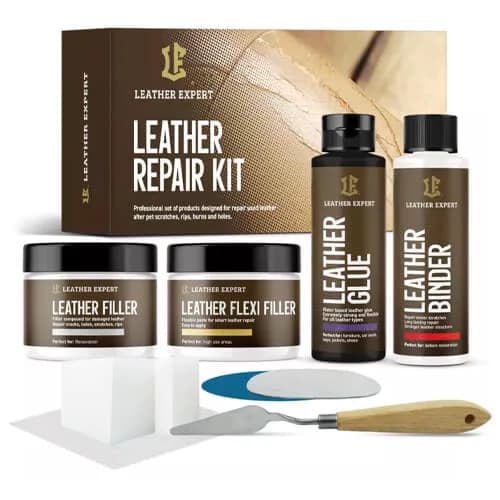
How to repair cracks, holes and scratches in leather with the Leather Expert Leather Repair Kit: restore the structure first, then fill, colour and finish.
Read the guide →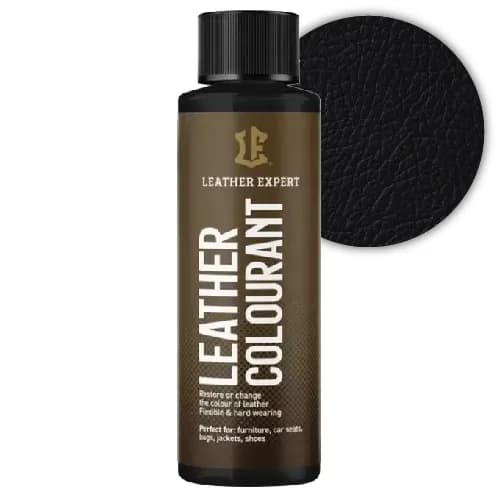
How to recolour leather with Leather Expert Leather Colourant: prepare well, apply thin layers of water-based paint and finish with a top coat.
Read the guide →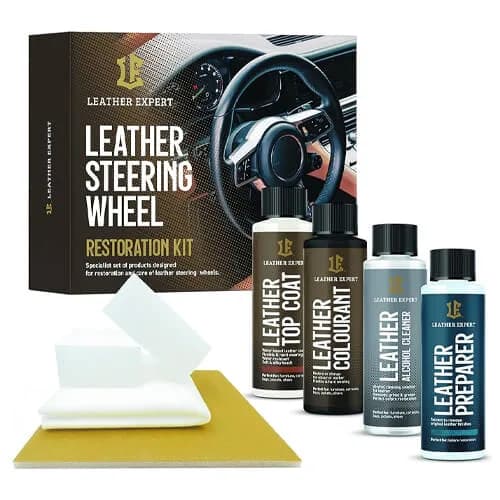
How to restore a dull or shiny black leather steering wheel with the Leather Expert restoration kit: prepare, degrease, recolour and seal.
Read the guide →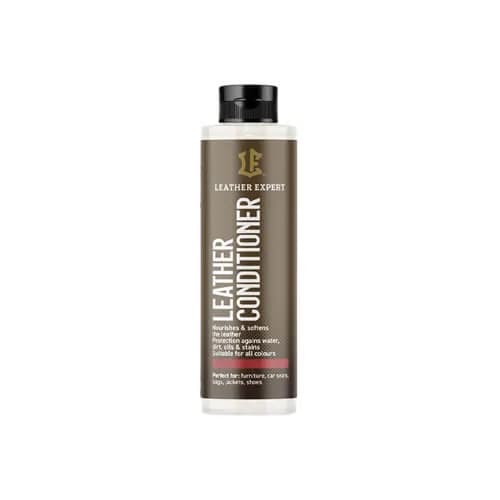
How to feed car leather with Leather Expert Leather Conditioner: apply to clean leather, let it soak in and buff for supple, colour-rich leather.
Read the guide →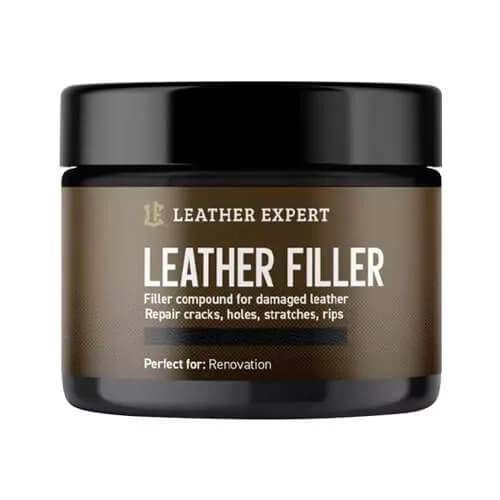
How to fill cracks, holes and scratches in leather with Leather Expert Leather Filler: clean, degrease, build up thinly with the spatula and sand.
Read the guide →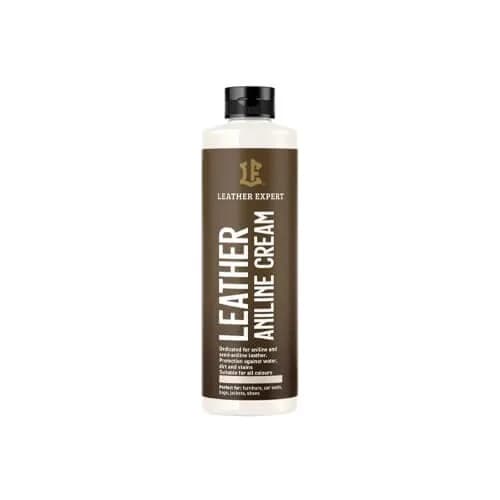
How to care for open, unpigmented aniline leather with Leather Expert Leather Aniline Cream: do the water-drop test first, then clean and apply thinly in layers.
Read the guide →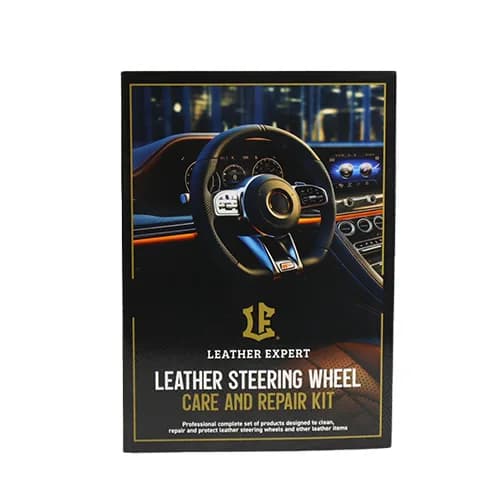
How to fully tackle a leather steering wheel with the Leather Expert Steering Wheel Care & Repair Kit: clean, prepare, recolour, fill minor damage and condition.
Read the guide →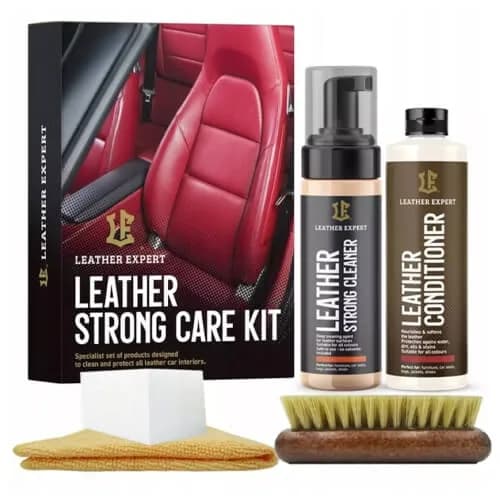
How to tackle heavily soiled car leather with the Leather Expert Strong Care Kit: deep-clean first with the strong cleaner, then feed with the conditioner.
Read the guide →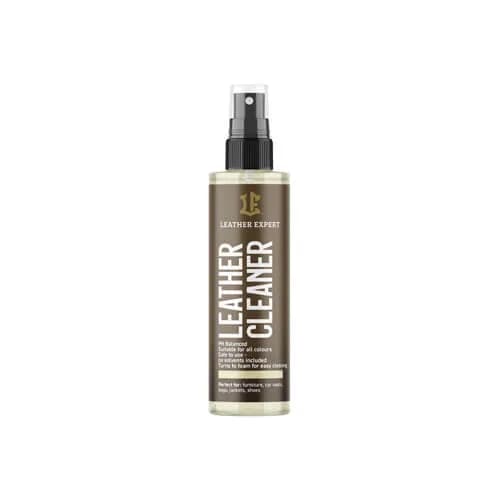
How to clean smooth car leather with Leather Expert Leather Cleaner: apply with a sponge or brush, let it dwell briefly, wipe off, then condition.
Read the guide →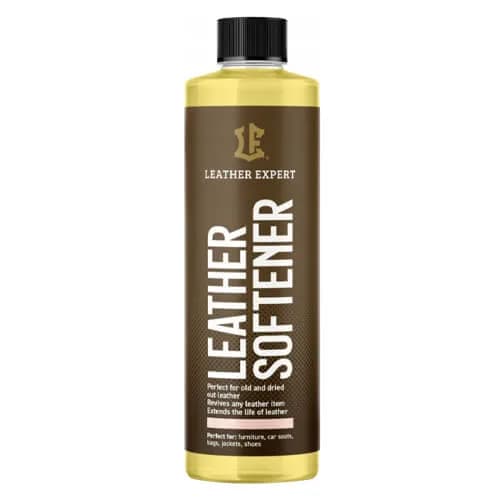
How to soften dried, stiff leather with Leather Expert Leather Softener: clean, massage in thinly and let it soak in layers.
Read the guide →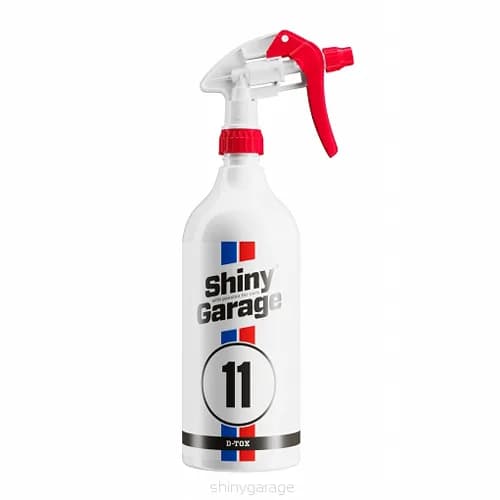
How to remove flying rust and iron particles with Shiny Garage D-Tox: spray onto cool paint, let it react until it bleeds purple, and rinse off.
Read the guide →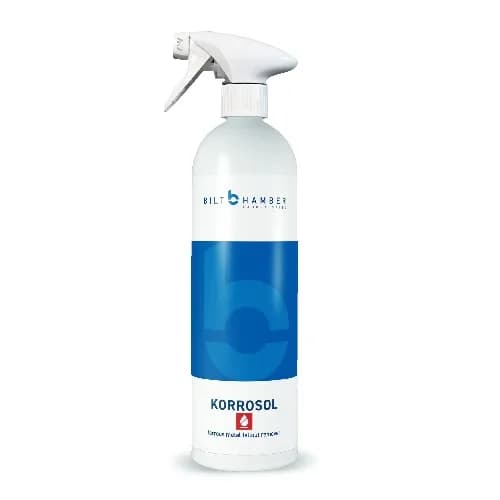
How to remove flying rust with Bilt Hamber Korrosol: spray the non-alkaline, pH-balanced fallout remover onto cool paint, let it react and rinse off.
Read the guide →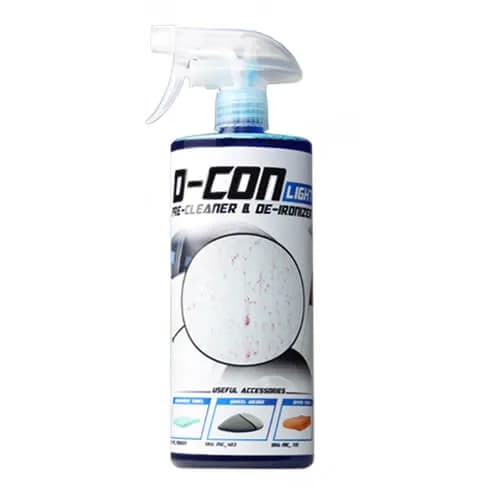
How to use D-CON Light as a pre-cleaner and iron remover: after washing, spray onto paint and glass, let it react until it turns purple and rinse before claying.
Read the guide →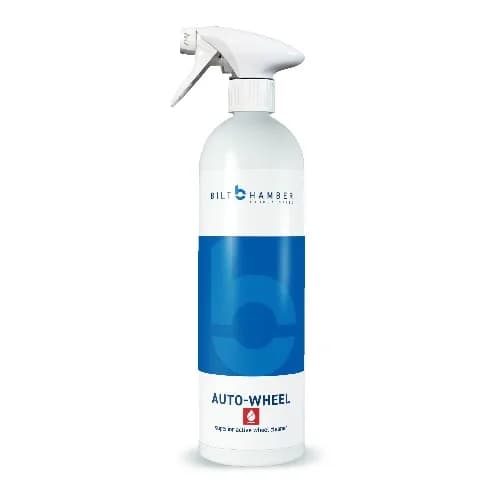
How to clean your wheels with Bilt Hamber Auto-Wheel: spray the non-acid reactive wheel cleaner onto dry wheels, let it react until red and rinse off.
Read the guide →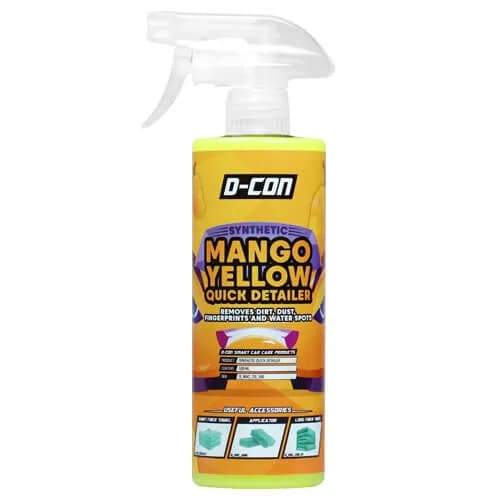
How to use D-CON MangoYellow Quick Detailer: spray onto clean, dry paint and buff for quick gloss and an antistatic, dust-repelling finish.
Read the guide →
How to use D-CON Crystal Clear APC: dilute the colourless, odourless all-purpose cleaner to the job, apply, let it dwell briefly and wipe off. Safe on almost any surface.
Read the guide →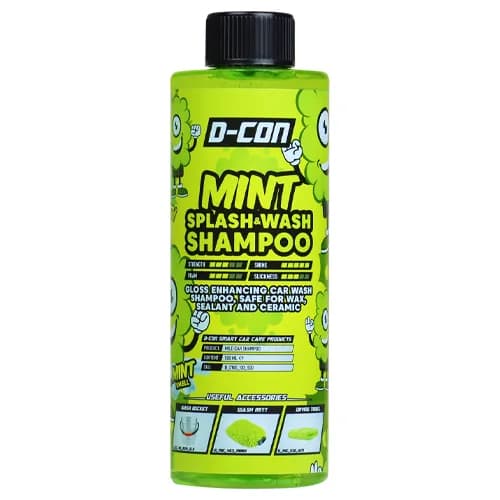
How to wash your car with D-CON Mint Splash Shampoo: pH-neutral and wax-safe, 50 ml per 20 litres of water, with the two-bucket method for a streak-free gloss.
Read the guide →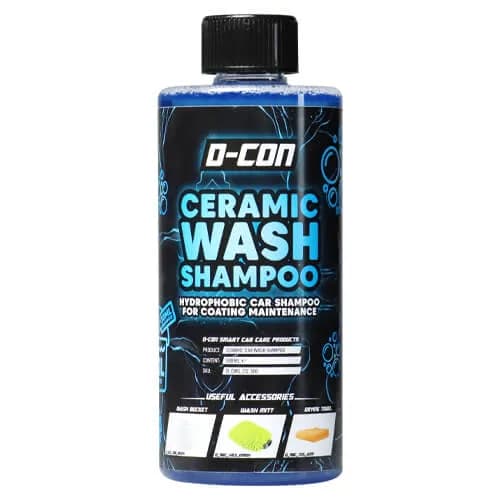
How to use D-CON Ceramic Wash: a ceramic shampoo that adds a hydrophobic layer while washing for extra gloss and water repellency.
Read the guide →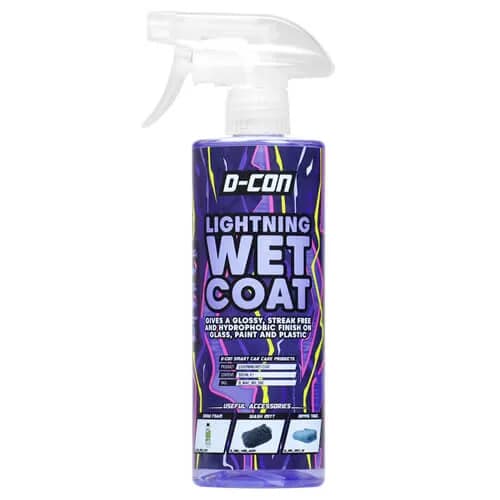
How to use D-CON Lightning Wet Coat: after washing, spray onto wet paint and rinse straight off for instant gloss and extreme water repellency, without buffing.
Read the guide →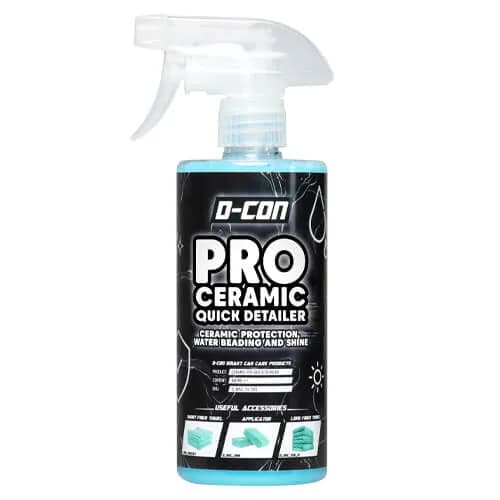
How to use D-CON Pro Ceramic Quick Detailer: spray onto clean, dry paint and buff for SiO2 gloss, water beading and protection that lasts for weeks.
Read the guide →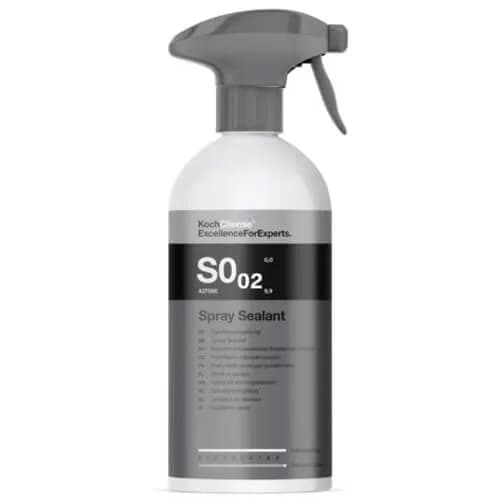
How to use Koch Chemie SO.02 Spray Sealant: spray once or twice onto clean, dry paint, let it flash off briefly and buff for gloss and a water-beading surface.
Read the guide →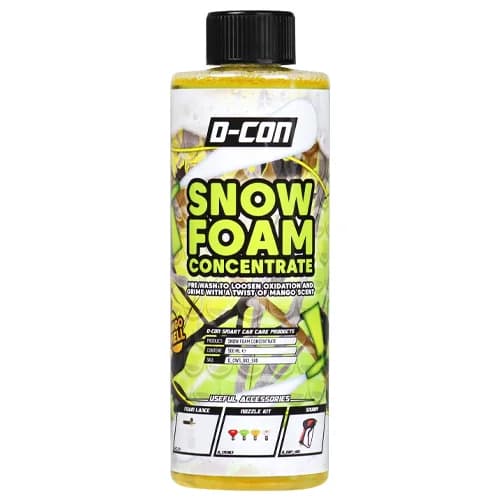
How to use D-CON Snow Foam: dilute the concentrate (about 1:10), apply with a foam lance and let it dwell to remove loose dirt before you touch the paint.
Read the guide →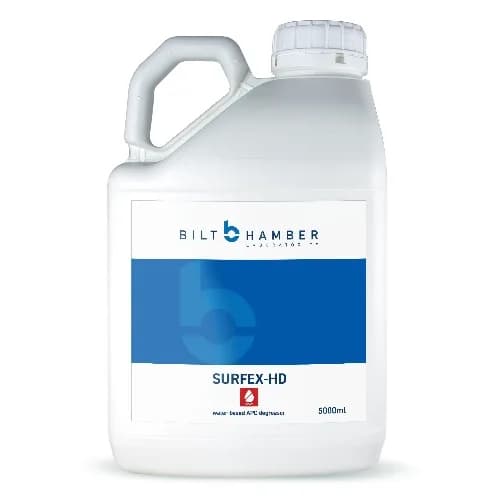
How to use Bilt Hamber Surfex HD: dilute the heavy-duty all-purpose cleaner and degreaser to the job, apply to a cool surface, let it dwell and rinse.
Read the guide →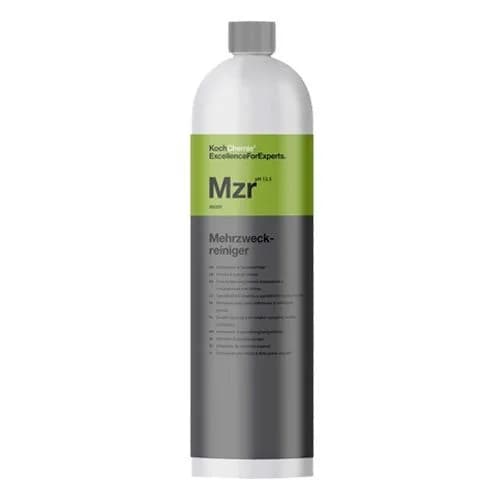
How to use Koch Chemie MZR Mehrzweckreiniger: dilute the strongly alkaline intensive cleaner (1:5 to 1:50), apply to a cool surface, let it dwell and wipe off.
Read the guide →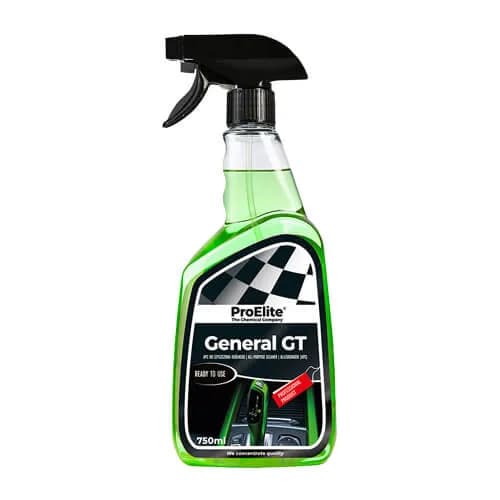
How to use ProElite General GT: spray the ready-to-use interior all-purpose cleaner onto the dashboard, plastic or upholstery, let it dwell briefly and wipe dry.
Read the guide →
How to use Koch Chemie All Around: spray the pH-neutral, ready-to-use surface cleaner neat, let it dwell briefly and wipe streak-free.
Read the guide →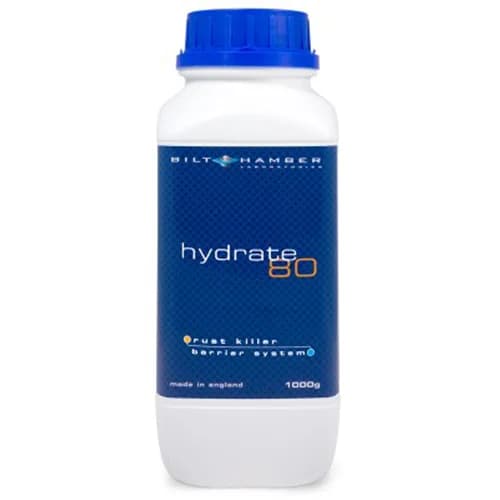
How to use Bilt Hamber Hydrate-80: apply the rust converter to de-rusted, degreased spots in two coats, turn iron oxide into a stable base and then overcoat it.
Read the guide →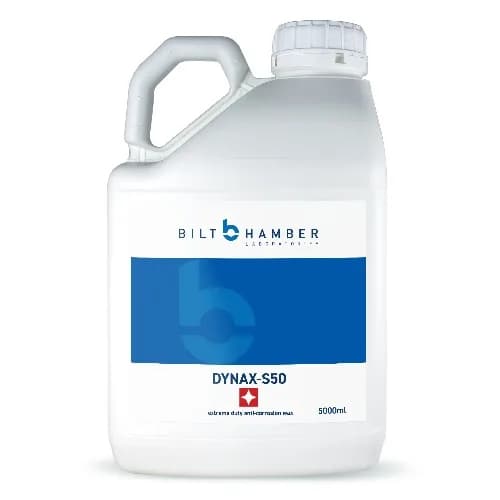
How to use Bilt Hamber Dynax-S50: inject the self-healing cavity wax into box sections, sills and doors with the lance, and leave cavities open for 48 hours to off-gas.
Read the guide →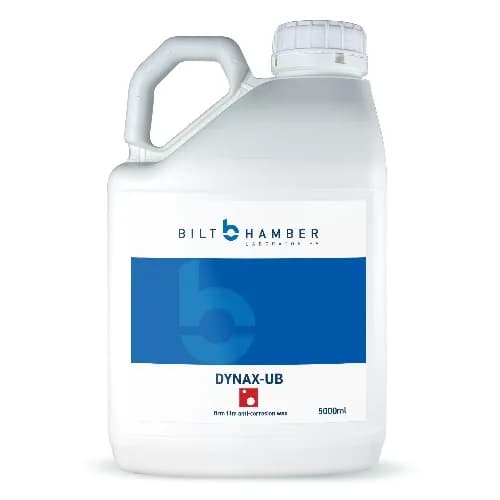
How to use Bilt Hamber Dynax-UB: apply the firm, black underbody wax to a dry underbody in at least two coats, 24 hours apart. Abrasion-resistant and does not peel.
Read the guide →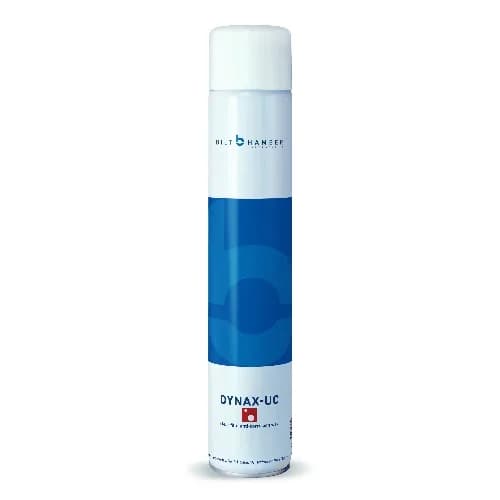
How to use Bilt Hamber Dynax-UC: apply the clear anti-corrosion wax in fine, light coats on visible areas like wheel arch lips and sills, safe over paint.
Read the guide →
How to use Bilt Hamber Atom-Mac: dilute the water-based corrosion inhibitor 2 to 5 percent in water and spray it for an invisible protective shield on the underbody and braking surfaces.
Read the guide →