
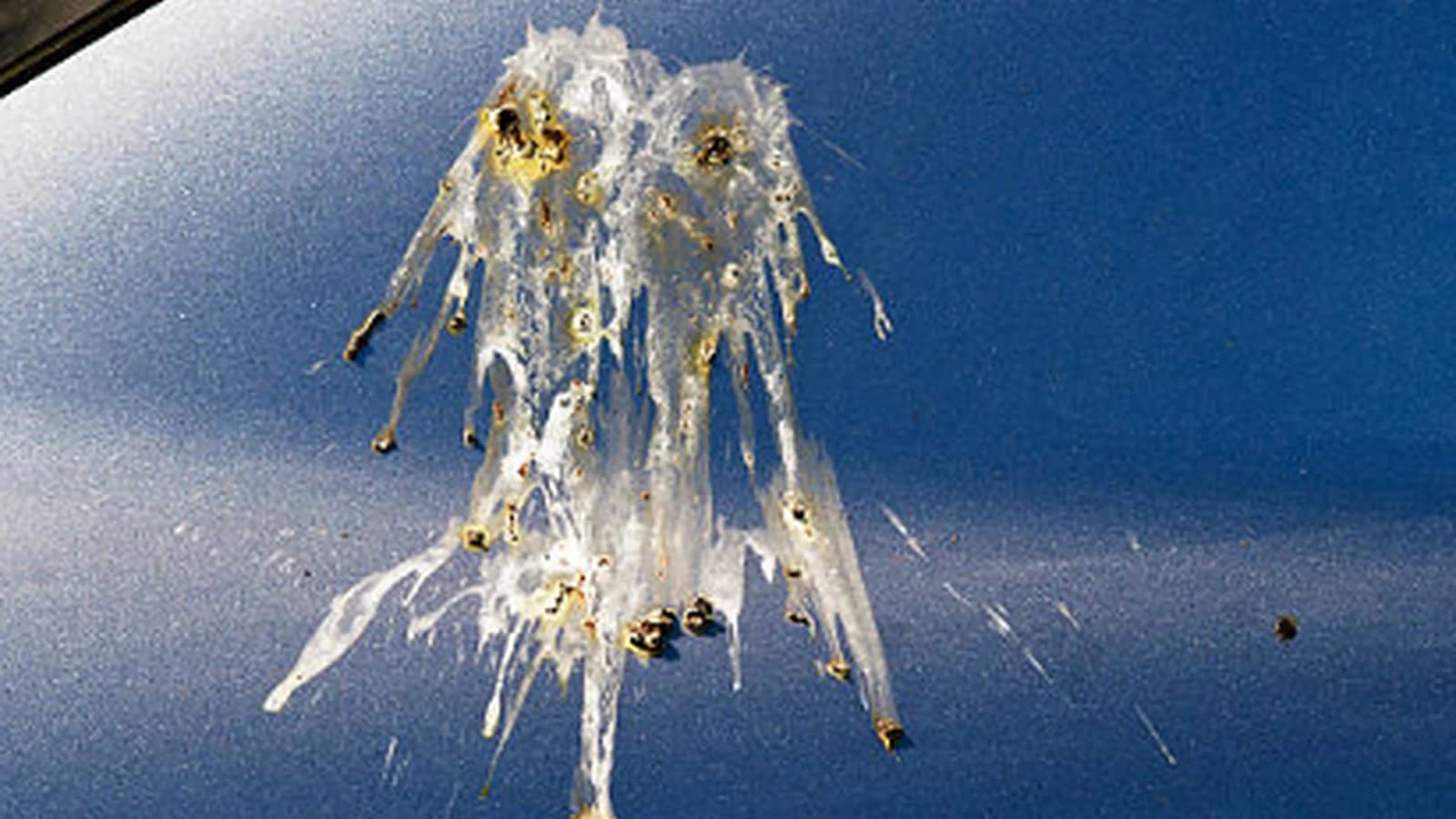
Bird droppings and tree sap are more aggressive on your paint than they look. Bird droppings are acidic and tree sap is a sticky resin that bakes on, and both eat deeper into the paint layer or the coating the longer they sit, certainly in the sun. What starts as a small spot can leave a dull ring that only comes out with polishing. The rule is simple: remove them quickly and remove them gently.
The biggest mistake is rubbing over them dry. The dirt is full of hard, gritty particles, and rubbing dry drags scratches with it. Always soak it loose first and blot it away rather than scrubbing. Below you will read how to deal with fresh and dried spots, what to do about an etch mark, and how protection stops it getting that far.
Quick facts
Speed counts: the sooner you remove bird droppings and tree sap, the smaller the chance of an etch mark.
Never rub dry: soak it loose first with a quick detailer or all-purpose cleaner and blot it away with a soft cloth.
Protection helps: a coating or sealant makes the paint slicker, so dirt sticks less and comes off more easily.
How to tackle it
Act fast. Deal with bird droppings or tree sap as soon as possible; the longer it sits, the deeper it bites in.
Soften, do not rub. Spray a quick detailer or mild all-purpose cleaner generously on the spot and let it soak in, so you do not rub dry over the paint.
Lift gently. Lay a damp microfiber cloth on the spot, let it soak briefly and lift the dirt gently without scrubbing.
Wipe and re-protect. Wipe the area with a clean cloth and top up your protection if needed with a quick detailer or sealant.
Why it attacks your paint
Bird droppings contain acids and sometimes hard grains, tree sap is sticky and works into the paint when it is warm. In the sun the paint heats up, the top layer expands slightly and the acid penetrates deeper. That is why after a hot day you sometimes see an imprint of the spot in the paint, even after you have removed it. On a car with a coating or wax you have more margin, but the same rule applies: the sooner it is gone, the better.
Removing fresh spots
If the spot is still fresh, it is usually quick work. Spray a generous amount of quick detailer on it and let it soak for half a minute, so the dirt loosens. Lay a soft microfibre cloth on the spot and blot it, or wipe with very light pressure in one direction. Fold the cloth to a clean face and repeat until it is all gone. Do not use that cloth on another panel afterwards until you have washed it out.
Dried on or stubborn
If the spot has been there a while and has dried on, do not force anything. Lay a wet cloth, or a cloth soaked in quick detailer, on the spot for a few minutes so it softens. If that is not enough, use an all-purpose cleaner that is safe for paint. Tree sap can be stubborn; a dedicated tar and sap remover helps there. Never scrape over the paint with your nail or a hard object; that costs you more than the spot itself.
Already an etch mark?
If a dull ring or imprint stays behind after cleaning, the paint is lightly etched. Light etching often comes out with a polish; how that works is in our guide on coating and polishing. If it sits deeper, that is work for a professional. If you are unsure which product to reach for on which spot, use our stain remover: it tells you what works per spot.
Prevention is better
You prevent most of the damage with protection and with speed. A coating or sealant makes the surface slicker, so dirt sticks less well and you get bird droppings or sap off more easily before they work in. Keep a quick detailer and a soft cloth in the car, so you can remove a fresh spot right away instead of leaving it for a day. That saves a lot of polishing down the line.
Frequently asked questions
How quickly should I remove bird droppings?
Is water alone enough to remove it?
Can I use WD40 or an aggressive cleaner for tree sap?
Does bird mess etch through a coating too?
Will an all-purpose cleaner damage my paint?
Do I need to touch anything up after removing it?
See also
About this guide
This guide comes from T&H Car Care, a detailing business in Borne, the Netherlands. We see bird droppings and tree sap all the time, and almost always the same holds: wash it off in time and your paint stays flawless. Questions about a stubborn spot or an etch mark? You are welcome to drop by.