Coffee / soft drink — Fabric & upholstery
Cause
Coffee and soft drinks contain sugars, tannins, and often colourants. These sink into fabric fibres quickly, bonding to the material and leaving a sticky, discoloured stain that becomes significantly harder to remove once dry.
Step by step
- 1Speed matters: immediately blot the stain with a clean microfibre cloth, working from the outside in. Never rub, as this spreads the liquid and pushes it deeper into the fibres.
- 2Apply a small amount of cold water to the stain and blot again. Repeat this 2 to 3 times to dilute and lift the sugar and colourants.
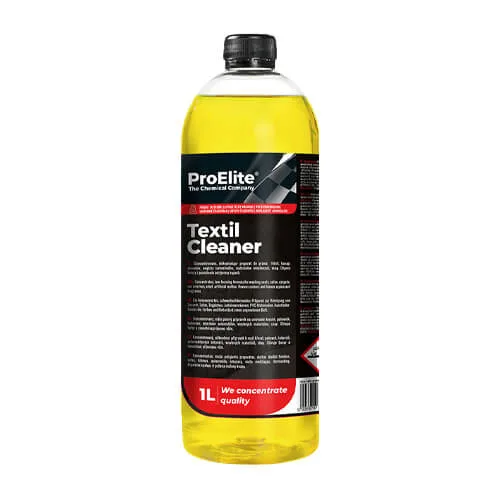
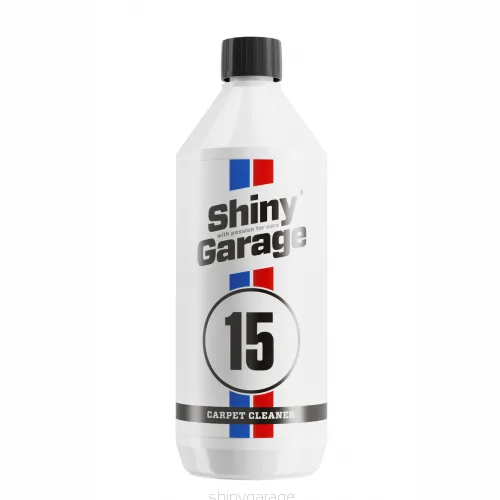
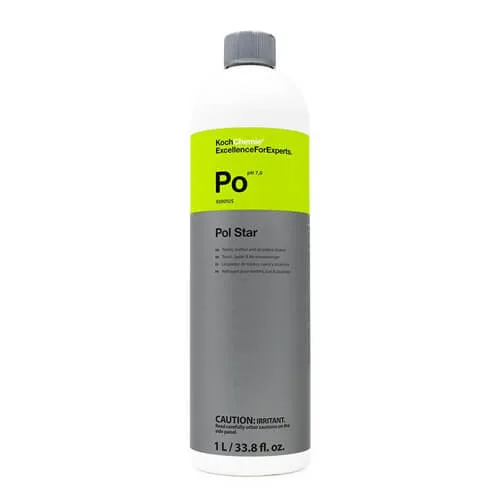
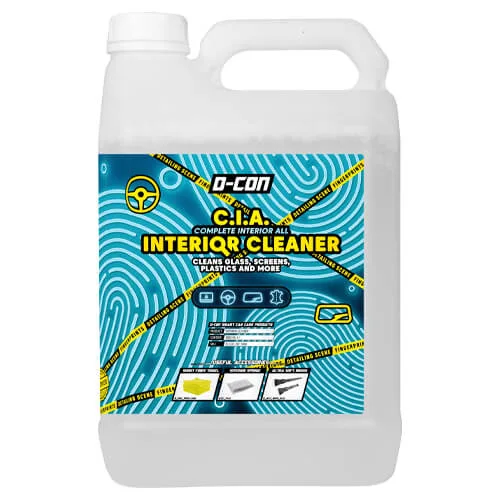
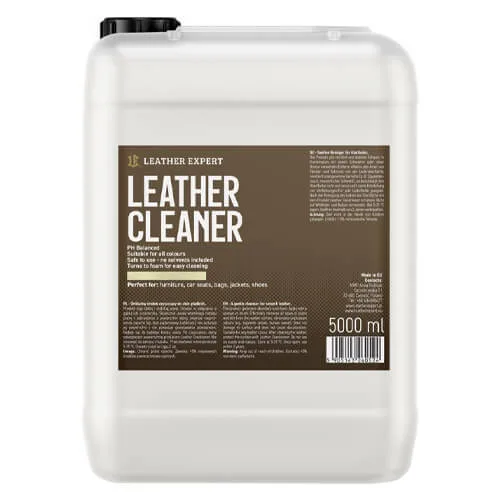
- 3Lightly spray an alkaline upholstery cleaner (pH 8 to 10) onto the stain. Allow it to dwell for 1 to 2 minutes.
- 4Agitate gently with a soft brush (upholstery or nail brush) using short, circular strokes. Do not press hard.
- 5Blot clean with a dry microfibre cloth. Repeat steps 3 and 4 for stubborn stains.
- 6Dry the area as quickly as possible afterwards: open the door, use a fan, or a drying towel. Never leave fabric wet in a closed car as this promotes mould growth and odours.
Caution — material
Never use bleach, acetone, or solvents on fabric and upholstery. Hot water can set sugar stains and damage fibres. Avoid saturating the upholstery completely, as the foam backing underneath can develop mould.
Work safely
Always test the cleaner on a hidden area first, such as the back of a seat or underneath the cushion. Stop immediately if you notice discolouration or fibre damage. If the stain persists after three treatments, professional steam extraction by a detailer is the recommended next step.